
 admin
admin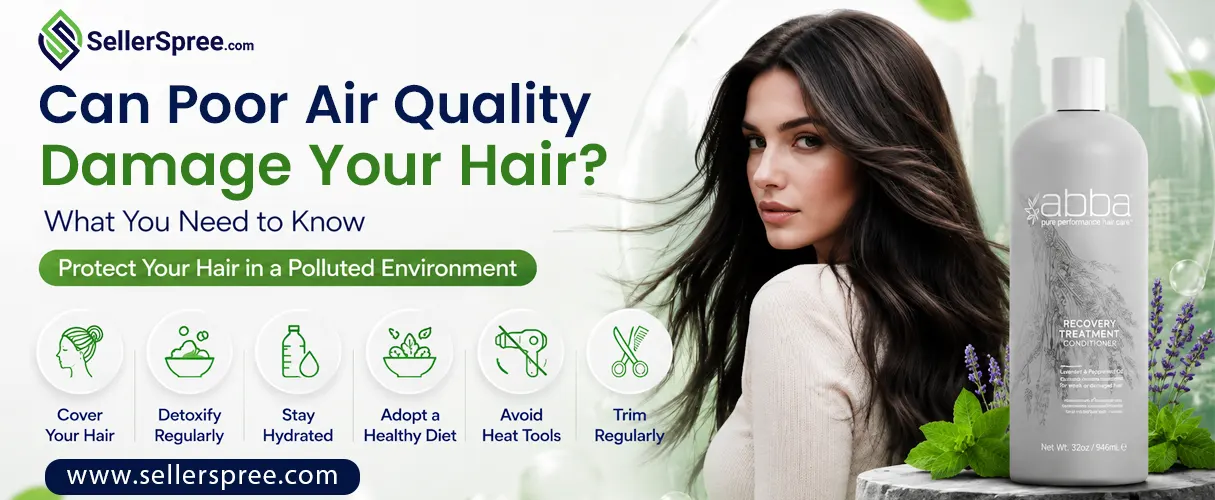
Shop Now: www.sellerspree.com
The impact of poor air quality on overall health has gained significant attention. While many are aware of the harmful effects air pollution has on the respiratory system and skin, its consequences for hair health often go unnoticed. Believe it or not, prolonged exposure to polluted air can lead to dryness, thinning, hair loss, and even premature graying. This guide explores how air quality affects your hair and how to protect your tresses from environmental damage.
The Link Between Hair Health and Air Pollution
Air pollution can wreak havoc on your hair by causing oxidative stress, scalp irritation, and damage to hair follicles. However, taking preventative measures, maintaining scalp health, and using products enriched with antioxidants can help counteract these effects. With the right care routine, you can safeguard your hair’s strength and vitality, even in polluted environments.
The Science Behind Pollution’s Effects on Hair
- Oxidative Stress: Pollutants such as smoke, industrial chemicals, and particulate matter release free radicals into the air. These free radicals damage healthy molecules in hair follicles by stealing electrons, leading to oxidative stress. This weakens the follicles and disrupts hair growth.
- Scalp Inflammation and Clogged Follicles: Pollutants like dust, pollen, and smog irritate the scalp, triggering inflammation and excessive sebum production. This, in turn, clogs hair follicles and creates an environment conducive to dandruff, folliculitis, and hair thinning.
- Damage to the Hair Shaft: Pollutants such as sulfur dioxide and nitrogen oxides weaken the hair shaft, causing dehydration, protein breakdown, and loss of shine. Over time, this leaves hair brittle and prone to breakage.
- DNA Damage: Certain airborne toxins found in industrial pollution can damage the DNA within hair follicles, disrupting their normal function and accelerating hair loss.
- Premature Graying: Pollutants affect melanocytes, the cells responsible for hair pigment production. Damage to these cells results in reduced melanin, leading to premature gray or white hair.
- Disrupted Hair Growth Cycle: Exposure to pollution shortens the growth phase (anagen) of the hair cycle while prolonging the resting phase (telogen), resulting in reduced hair growth and increased shedding.
How to Identify Pollution-Related Hair Damage?
Pollution can manifest as dullness, dryness, excessive shedding, and overall poor hair health. To minimize the damage:
- Limit exposure to environmental pollutants.
- Cleanse your scalp regularly.
- Use protective and antioxidant-rich hair care products.
How to Protect Your Hair in a Polluted Environment?
Shielding your hair from pollution requires a combination of mindful practices and a consistent care regimen:
- Cover Your Hair: Use scarves or hats to create a barrier against pollutants.
- Detoxify Regularly: Use gentle cleansers and exfoliating treatments to remove buildup.
- Stay Hydrated: Apply moisturizing treatments like leave-in conditioners and serums.
- Adopt a Healthy Diet: Antioxidant-rich foods protect hair from free radical damage.
- Avoid Heat Tools: Minimize styling that can weaken hair already exposed to pollutants.
- Trim Regularly: Frequent trims prevent split ends and maintain healthy-looking hair.
Choosing Pollution-Resistant Hair Products
Urban living demands specialized hair care solutions. Look for products infused with antioxidants, UV filters, and hydration-boosting ingredients to counteract the drying effects of pollution. Regular scalp treatments paired with proper hair care routines can help your locks stay radiant and resilient.
Natural Remedies for Pollution-Induced Hair Loss
- Aloe Vera: Detoxifies the scalp, reduces inflammation, and restores pH balance.
- Coconut Oil: Nourishes and protects the hair shaft from environmental toxins.
- Fenugreek Seeds: Rich in protein and antioxidants, they strengthen hair and combat free radicals.
- Onion Juice: Boosts scalp circulation, promoting healthier hair growth.
- Rosemary Oil: Stimulates hair follicles and minimizes the risk of dryness and dandruff.
- Neem: Cleanses the scalp and combats dandruff caused by pollutants.
DIY Hair Masks to Combat Damage
- Coconut Oil and Honey Mask: Deeply hydrates and strengthens strands.
- Avocado and Olive Oil Mask: Repairs and nourishes damaged hair.
- Egg and Yogurt Mask: Provides a protein boost to restore hair health.
- Banana and Olive Oil Mask: Softens and fortifies weak hair.
Lifestyle Tips for Healthier Hair
- Stress Management: Chronic stress exacerbates hair loss. Adopt calming practices like yoga or meditation.
- Balanced Diet: Ensure your meals are rich in vitamins, minerals, and antioxidants.
- Consistent Exercise: Regular workouts improve blood circulation to the scalp.
- Avoid Smoking: Smoke introduces harmful toxins that accelerate hair damage.
Conclusion: Protecting Your Hair in the Modern World
Living in polluted environments can challenge your hair’s health, but with a proactive approach, you can minimize the damage. Focus on scalp care, use quality hair products, and adopt a balanced lifestyle to maintain strong, healthy hair.
For professional-grade hair care solutions tailored to your needs, visit Sellerspree.com. They offer a wide selection of hair care and hair color products from trusted brands, ensuring you can achieve vibrant, resilient locks while protecting them from environmental stressors.
Frequently Asked Questions (FAQs):
1. Can poor air quality really damage your hair?
Yes. Air pollution exposes your hair and scalp to harmful particles, smoke, and toxins that can cause dryness, breakage, scalp irritation, hair thinning, and even premature graying over time.
2. How does air pollution cause hair loss?
Air pollution creates oxidative stress and inflammation on the scalp, weakens hair follicles, clogs pores with dirt and pollutants, and disrupts the natural hair growth cycle, leading to increased hair shedding.
3. What are the signs of pollution-damaged hair?
Common signs include dullness, dryness, frizz, split ends, excessive hair fall, itchy scalp, dandruff, brittle strands, and a loss of natural shine.
4. How can I protect my hair from air pollution?
You can protect your hair by wearing a hat or scarf outdoors, washing your scalp regularly, using antioxidant-rich shampoos and conditioners, applying leave-in serums, and avoiding excessive heat styling.
5. Which hair care ingredients help protect against pollution?
Look for products containing antioxidants, aloe vera, argan oil, coconut oil, rosemary oil, vitamin E, keratin, hyaluronic acid, and UV filters to strengthen and protect your hair.
6. Can air pollution cause premature gray hair?
Yes. Long-term exposure to pollutants can damage melanocytes—the cells responsible for producing hair pigment—which may contribute to premature graying.
7. How often should I wash my hair if I live in a polluted city?
Most people benefit from washing their hair 2–3 times per week, or more often if they’re exposed to heavy pollution, sweat, or dust. Choose a gentle shampoo that cleanses without stripping natural oils.
8. Are natural remedies effective for pollution-damaged hair?
Natural remedies such as aloe vera, coconut oil, rosemary oil, neem, and fenugreek can help soothe the scalp, reduce inflammation, nourish hair, and improve overall hair health when used consistently.
9. Can a healthy diet help protect hair from pollution?
Yes. A balanced diet rich in vitamins A, C, D, E, biotin, zinc, iron, omega-3 fatty acids, and antioxidants helps strengthen hair follicles and reduces damage caused by free radicals.
10. Where can I buy professional hair care products to protect my hair from pollution?
You can find a wide range of salon-quality shampoos, conditioners, hair treatments, hair color products, and scalp care solutions at SellerSpree, featuring trusted professional brands designed to keep your hair healthy, strong, and protected from environmental damage.