
 admin
admin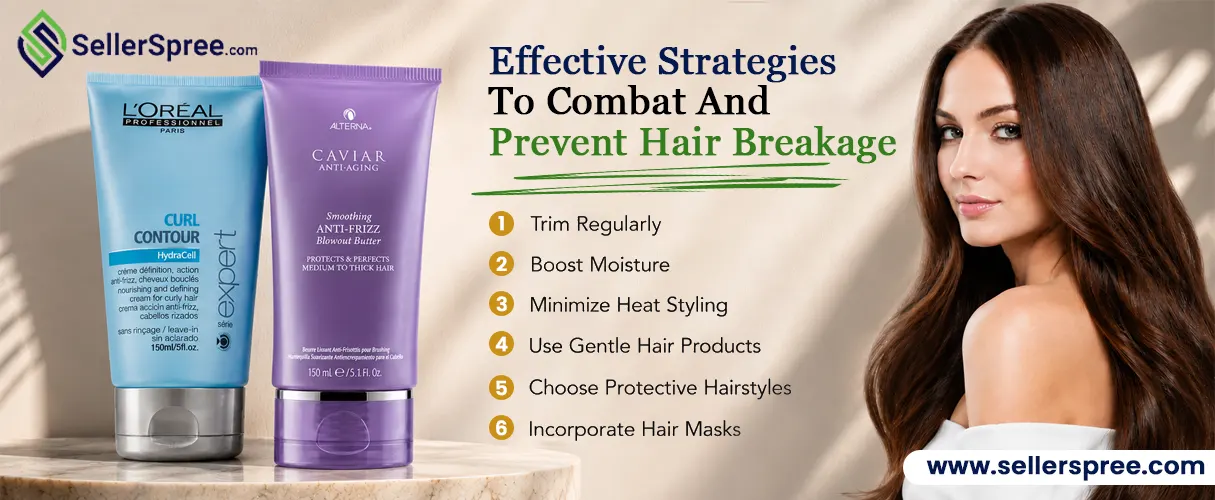
Shop Now: www.sellerspree.com
Hair breakage can be incredibly distressing, whether it’s a few strands or more significant damage. Over time, untreated hair breakage can worsen, potentially harming hair follicles and causing reduced hair growth or even hair loss. But with the right strategies and products, you can combat hair breakage, restore your strands, and maintain healthier hair.
If you notice persistent split ends, flyaways, or dryness despite regular care, your hair may be showing signs of damage. This comprehensive guide will help you identify the causes of hair breakage, address it effectively, and prevent further harm.
What Exactly Is Hair Breakage?
Hair breakage occurs when hair strands weaken and split along their length, leaving you with fragmented pieces instead of full strands. A common example is split ends, where the hair splits at the tips due to excessive dryness or damage. If left untreated, the split can travel up the strand, worsening the condition.
Hair Breakage vs. Shedding: Key Differences
Hair breakage and shedding are often confused, but they are distinct. Shedding is a natural process where hair falls from the follicle, with full strands (including the root bulb) being lost. It’s normal to shed 50–100 hairs daily. Hair breakage, on the other hand, involves partial strands snapping due to structural weakness.
To confirm whether you’re dealing with breakage or shedding, examine the fallen strands. Full strands indicate shedding, while shorter, fragmented pieces signify breakage. Consulting a dermatologist is a good step if you’re unsure about your hair health.
What Causes Hair Breakage?
Several factors can weaken hair and lead to breakage, including:
1. Heat Styling Overload
Frequent use of heat tools such as flat irons, curling wands, and blow dryers can strip hair of moisture and weaken its structure. Over time, high temperatures degrade the hair cuticle, making strands more prone to snapping
2. Chemical Damage
Chemical treatments like bleaching, dyeing, and perming alter the hair’s natural structure. Harsh chemicals in these treatments weaken the strands, making them susceptible to breakage.
3. Overwashing
Excessive washing strips hair of its natural oils, leading to dryness and brittleness. For most hair types, washing two to three times per week is sufficient. Always opt for sulfate-free shampoos and moisturizing conditioners to protect your strands.
4. Tight Hairstyles
Styles like braids, ponytails, and buns that pull tightly on the scalp can stress the hair shaft. Prolonged tension weakens the strands and may even damage hair follicles.
5. Poor Diet
Hair needs essential nutrients such as protein, iron, and vitamins to stay strong. A diet lacking in these nutrients can result in weaker hair that is more prone to breakage.
6. Stress
High stress levels can lead to elevated cortisol production, which negatively impacts hair growth cycles. Stress management is essential for maintaining overall hair health.
Signs of Hair Breakage
Watch for these common indicators of hair breakage:
- Split Ends: Frayed or split strands that resemble tree branches.
- Thinning or Shorter Pieces: Broken strands that make hair appear uneven.
- Rough Texture: Damaged hair often feels coarse and brittle.
- Excessive Frizz: Frizz may indicate weakened hair that struggles to retain moisture.
How to Stop and Prevent Hair Breakage
While you can’t fully reverse existing damage, you can prevent further breakage and encourage healthy growth with these steps:
1. Trim Regularly
Schedule regular trims to remove split ends and prevent damage from traveling up the hair shaft.
2. Boost Moisture
Dry hair is more prone to breakage. Use hydrating products such as hair oils, leave-in conditioners, and masks. Products like the Alterna Caviar Anti-Aging Smoothing Blowout Butter help tame frizz, add moisture, and provide thermal protection.
3. Minimize Heat Styling
If you use heat tools, always apply a heat protectant. Use lower heat settings and consider air-drying whenever possible. For curly hair, use a diffuser to reduce heat exposure.
4. Use Gentle Hair Products
Switch to sulfate-free shampoos and nourishing conditioners to avoid stripping natural oils. On wash days, a pre-wash moisturizer can help lock in hydration.
5. Choose Protective Hairstyles
Opt for looser hairstyles to reduce tension on the scalp. If you love braids or ponytails, give your hair a break between styles to recover.
6. Incorporate Hair Masks
Weekly treatments with deep conditioners or masks can restore hydration and strengthen hair. For example, L’Oréal Professionnel Curl Contour Cream nourishes and defines curls while preventing frizz.
7. Strengthen from Within
Ensure your diet includes hair-friendly nutrients like biotin, zinc, and omega-3 fatty acids. Hydrate adequately to support overall hair health.
Best Practices for Long-Term Hair Health
Consistency is key to preventing breakage. Maintain a hair care routine tailored to your hair type and avoid practices that cause unnecessary stress to your strands. Protect your hair while sleeping by using a silk pillowcase or wrapping it in a silk scarf to minimize friction.
Conclusion
Hair breakage can be daunting, but with the right care and attention, you can restore your hair’s strength and vitality. From improving your diet to using the best hair care products, small changes can make a big difference. Explore high-quality hair care solutions at Sellerspree.com, your trusted destination for hair care and hair color products. Empower your hair with the nourishment it needs to stay strong and beautiful!
Frequently Asked Questions (FAQs):
1. What causes hair breakage?
Hair breakage is commonly caused by excessive heat styling, chemical treatments, overwashing, tight hairstyles, poor nutrition, stress, and environmental damage. These factors weaken the hair shaft, making strands more likely to snap.
2. How can I tell if my hair is breaking or shedding?
Hair shedding involves losing a full strand with the root attached, while hair breakage results in shorter, broken pieces without the root. Shedding is a normal part of the hair growth cycle, whereas breakage indicates damage to the hair shaft.
3. Can hair breakage be repaired?
While damaged hair cannot be completely repaired, you can prevent further breakage by trimming split ends, using moisturizing treatments, minimizing heat styling, and following a healthy hair care routine. Healthy new hair growth will gradually replace damaged strands.
4. What are the best products for preventing hair breakage?
Look for sulfate-free shampoos, nourishing conditioners, leave-in conditioners, deep-conditioning masks, hair oils, and heat protectants. Products containing keratin, argan oil, biotin, and natural moisturizing ingredients can help strengthen hair.
5. How often should I trim my hair to prevent breakage?
Most hair experts recommend trimming your hair every 6–8 weeks to remove split ends before they travel further up the hair shaft and cause additional breakage.
6. Does heat styling cause permanent hair damage?
Frequent use of high-temperature styling tools can permanently weaken the hair shaft. Using a heat protectant, lowering the temperature, and limiting heat exposure can significantly reduce the risk of hair breakage.
7. Can a poor diet lead to hair breakage?
Yes. Hair needs nutrients such as protein, iron, zinc, biotin, omega-3 fatty acids, and vitamins A, C, D, and E to remain strong. Nutritional deficiencies can make hair weaker, drier, and more prone to breakage.
8. Which hairstyles help prevent hair breakage?
Loose braids, low ponytails, buns with soft hair ties, and protective styles that don’t pull tightly on the scalp are better options. Avoid hairstyles that create constant tension on your hair and scalp.
9. How can I prevent hair breakage while sleeping?
Use a silk or satin pillowcase, wrap your hair in a silk scarf, or wear a satin bonnet to reduce friction. Sleeping with loose braids or a low ponytail can also help minimize tangles and breakage.
10. What is the best daily routine to prevent hair breakage?
A healthy routine includes using a gentle sulfate-free shampoo, applying a moisturizing conditioner, using a leave-in conditioner or hair oil, minimizing heat styling, protecting hair from sun and environmental damage, eating a balanced diet, and trimming split ends regularly.