
 admin
admin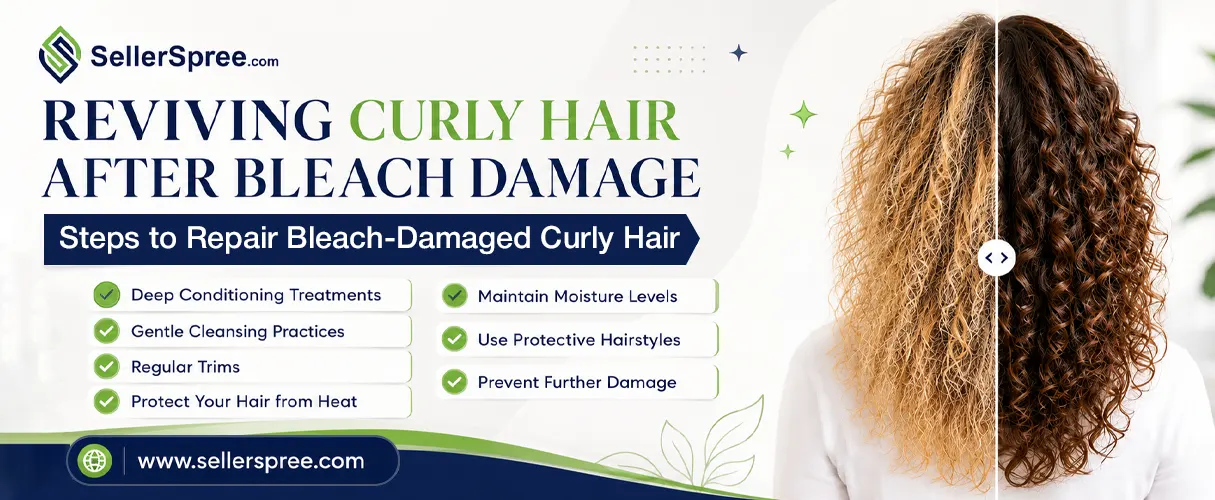
Shop Now: www.sellerspree.com
Bleaching your hair can be an exciting way to switch up your look, whether you’re going for bold red hues or testing the theory that blondes have more fun. However, the bleaching process can be harsh, especially on curly hair, leading to dryness, breakage, and even a loss of your natural curl pattern. Fortunately, with the right care and adjustments to your routine, you can restore your curls to their former glory. Here’s a comprehensive guide to repairing bleach-damaged curly hair.
What is Bleach-Damaged Curly Hair?
Bleach-damaged curly hair occurs when the chemical process of bleaching strips the hair of its natural oils and weakens its structure. This can happen if bleach is used too frequently or left on for too long. The damage typically affects the hair’s cuticle, the outermost layer of the hair shaft, resulting in dryness, brittleness, and frizz. Additionally, your natural curl pattern may loosen or become inconsistent.
Recognizing the Signs of Bleach Damage
If you’re unsure whether your curls are suffering from bleach damage, look out for these common signs:
- Dryness and Brittle Texture: Hair feels coarse and dry to the touch.
- Breakage and Split Ends: Frequent breakage and visible split ends are key indicators of damage.
- Dullness and Lack of Shine: The natural luster of your hair may be replaced with a dull, lifeless appearance.
- Scalp Sensitivity: Bleaching can irritate the scalp, causing redness, itching, or inflammation.
- Increased Porosity: Damaged hair may absorb moisture quickly but struggle to retain it, making it hard to style.
- Changes in Texture: Curly hair may lose its natural pattern or become uneven, while straight hair may develop unwanted waves.
Steps to Repair Bleach-Damaged Curly Hair
Restoring health to your curls requires a combination of nourishing treatments, protective measures, and consistent care. Here are the essential steps to revive your hair:
-
Deep Conditioning Treatments
Deep conditioning is crucial for replenishing lost moisture and nutrients. Use a rich, hydrating mask designed for damaged hair at least once a week. Products like the Pure Brazilian Deep Conditioning Masque can help restore elasticity and hydration to your curls.
-
Gentle Cleansing Practices
Switch to sulfate-free shampoos and conditioners to avoid further stripping your hair of moisture. Look for gentle formulas such as the Kenra Platinum Restorative Shampoo and Conditioner, which are specifically designed to fortify and hydrate damaged strands. Additionally, reduce the frequency of washing to preserve your hair’s natural oils.
-
Regular Trims
Schedule regular trims to remove split ends and prevent them from traveling up the hair shaft. While products can temporarily mask the appearance of split ends, cutting them off is the only permanent solution. Whether you opt for a light trim or a chic new haircut, this step is essential for maintaining healthy curls.
-
Protect Your Hair from Heat
Heat styling can exacerbate bleach damage, so minimize the use of hot tools like blow dryers, curling irons, and flat irons. When heat styling is unavoidable, apply a heat protectant like Alterna Caviar Anti-Aging Professional Styling Rapid Blowout Balm, which shields hair from temperatures up to 450°F.
-
Maintain Moisture Levels
Hydration is key to restoring the elasticity and shine of bleach-damaged curls. Incorporate lightweight hair oils, such as the American Crew Daily Shampoo for Normal to Oily Hair and Scalp, into your routine to seal the cuticle and combat frizz.
-
Use Protective Hairstyles
Protective styles like braids, twists, and buns can shield your hair from environmental stressors and reduce the need for daily manipulation, which can lead to further damage.
-
Prevent Further Damage
Once your hair begins to recover, take proactive measures to prevent additional harm. Avoid harsh chemicals, limit sun exposure, and use low-manipulation hairstyles. Be gentle when detangling your hair, and opt for wide-tooth combs or your fingers to minimize breakage.
Additional Tips for Curl Revival
- Protein Treatments: Incorporate protein treatments periodically to strengthen the hair’s structure. However, balance these with moisturizing treatments to prevent protein overload.
- Scalp Care: A healthy scalp is the foundation of healthy hair. Use gentle exfoliators or scalp treatments to remove buildup and promote better hair growth.
- Nighttime Routine: Protect your curls while you sleep by using a silk or satin pillowcase and wrapping your hair in a silk scarf or bonnet.
Conclusion: Restore and Protect Your Curls
Repairing bleach-damaged curly hair requires patience, care, and the right products. By following these tips and adopting a consistent routine, you can revive your curls and maintain their natural beauty. For high-quality hair care and hair color products, visit Sellerspree.com, your trusted source for nourishing solutions to keep your hair healthy and vibrant.
Frequently Asked Questions (FAQs):
1. Can bleach permanently damage curly hair?
Bleach can cause significant damage to curly hair by weakening the hair structure and reducing moisture levels. While some damage may be permanent, proper hair care and treatments can help restore the health and appearance of your curls.
2. How long does it take to repair bleach-damaged curly hair?
Recovery time varies depending on the extent of the damage. With consistent deep conditioning, moisturizing treatments, and protective styling, noticeable improvements can often be seen within a few weeks to a few months.
3. What are the signs of bleach-damaged curly hair?
Common signs include dryness, brittleness, split ends, increased breakage, loss of curl definition, excessive frizz, and a dull appearance.
4. Can deep conditioning help restore curls after bleaching?
Yes, deep conditioning treatments help replenish moisture, improve elasticity, and reduce breakage, making them an essential part of repairing bleach-damaged curly hair.
5. Should I use protein treatments on bleach-damaged hair?
Protein treatments can strengthen weakened hair strands and help reduce breakage. However, they should be balanced with moisturizing treatments to avoid making the hair stiff or brittle.
6. Is it safe to color my hair again after bleach damage?
It is best to wait until your hair has recovered before applying additional chemical treatments. Consult a professional stylist to assess your hair’s condition before coloring again.
7. What type of shampoo is best for bleach-damaged curly hair?
Sulfate-free, moisturizing shampoos are ideal because they gently cleanse the hair without stripping away essential moisture and natural oils.
8. Can heat styling worsen bleach-damaged curls?
Yes, excessive use of heat tools can further weaken already damaged hair. If heat styling is necessary, always use a heat protectant and keep temperatures as low as possible.
9. How can I prevent future bleach damage to my curls?
Limit bleaching sessions, use professional-grade products, maintain a consistent moisturizing routine, and protect your hair from excessive heat and environmental stressors.
10. What hairstyles are best for protecting bleach-damaged curly hair?
Protective styles such as braids, twists, buns, and loose updos can help reduce manipulation, prevent breakage, and support healthy hair recovery.
Tags: Reviving Curly Hair After Bleach Damage, How to Repair Bleach Damaged Curly Hair, Restore Curls After Bleaching, Bleach Damage Recovery, Curly Hair Repair Guide, Best Treatments for Bleach Damaged Hair, Fix Dry Curly Hair, Curly Hair Moisture Tips, Hair Care After Bleaching, Healthy Curly Hair Tips