
 admin
admin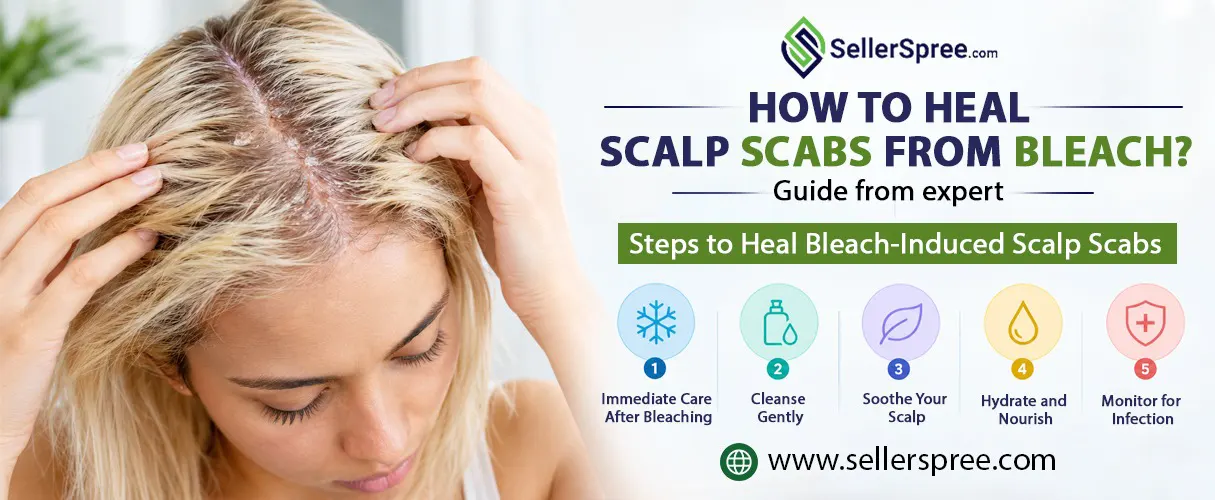
Shop Now: www.sellerspree.com
Bleaching hair can sometimes lead to scalp scabs caused by chemical burns. These burns result in dryness, irritation, and discomfort. Healing such scabs requires careful care and attention to restore your scalp’s health. Here’s a detailed recovery guide.
Understanding Why Bleaching Causes Scalp Scabs?
Scabs form due to the harsh chemicals in bleach, which are designed to strip the hair of its natural pigment. Unfortunately, this process can harm the scalp. Common causes include:
- Chemical burns from improper or prolonged application.
- Pre-existing conditions like dandruff or sensitive skin, which increase vulnerability.
- Improper techniques such as overlapping bleach on previously treated areas.
- Lack of scalp preparation prior to bleaching.
- Post-bleach infections, particularly if burns are left untreated.
What Happens to Your Scalp During Bleaching?
- Chemical Reactions: Bleach often contains hydrogen peroxide, which disturbs the skin’s natural barrier and alters its pH balance.
- Heat Generation: The reaction between bleach and the scalp produces heat, leading to discomfort or burns if applied too close to the roots.
- Moisture Loss: Bleach strips the scalp of natural oils, leaving it dry and prone to flaking.
- Increased Sensitivity: The process makes your scalp more vulnerable to sunburn, irritation, and inflammation.
Steps to Heal Bleach-Induced Scalp Scabs
- Immediate Care After Bleaching
- Rinse your scalp thoroughly with cool water to remove residual chemicals.
- Avoid washing your hair with shampoo for at least 24 hours post-bleach.
- Cleanse Gently
- Use a sulfate-free, pH-balanced shampoo to clean your scalp without stripping it further.
- Avoid hot water as it can exacerbate dryness.
- Soothe Your Scalp
- Apply aloe vera gel or a cooling scalp serum to reduce inflammation.
- Opt for natural oils like coconut or argan oil to moisturize and calm irritation.
- Promote Healing
- Use products with ingredients like chamomile, tea tree oil, or lavender oil.
- Avoid picking at scabs to prevent infections or delayed healing.
- Hydrate and Nourish
- Stay hydrated and consume a nutrient-rich diet, focusing on foods high in vitamins A, C, and E.
- Monitor for Infection
- Watch for signs like redness, swelling, or pus, which may indicate an infection. Seek professional help if needed.
Preventing Future Scalp Damage During Bleaching
- Pre-Bleach Care: Hydrate your scalp with natural oils and avoid washing hair immediately before bleaching.
- Choose a Low-Strength Developer: Opt for a 10-20 volume developer to minimize irritation.
- Professional Application: Have a trained stylist apply bleach to ensure even distribution and safe techniques.
- Limit Frequency: Wait at least 6-8 weeks between bleaching sessions.
- Post-Bleach Care: Use nourishing masks and protective products to restore scalp health.
Best Products to Heal and Protect Your Scalp
- American Crew Fortifying Scalp Treatment
- Abba Moisture Conditioner Hydrate Dry Hair
- Alterna Renewing Scalp Care Scrub-to-Foam
- Hayashi System Hinoki Plus Scalp Revitalizer
How to Safely Bleach Hair Without Scalp Injury?
- Prepare your scalp by applying a barrier like coconut oil.
- Always perform a patch test to check for allergic reactions.
- Keep bleach away from the scalp by applying it about 1-2 inches from the roots.
- Monitor processing time carefully and rinse thoroughly once done.
Final Thoughts
Taking care of your scalp before, during, and after bleaching is vital to preventing burns and scabs. However, if damage occurs, following the steps outlined above will help restore your scalp to its healthy state. For persistent issues or severe reactions, consult a dermatologist.
For all your hair care and hair color needs, visit Sellerspree.com, where you’ll find an extensive range of products from top brands to help you achieve your desired look while maintaining your scalp’s health.
#ScalpCare #HairBleaching #ScalpHealth #BleachBurn #HairCare #ScalpTreatment #BleachedHair #HairCareTips #ScalpRecovery #HairColor