
 admin
admin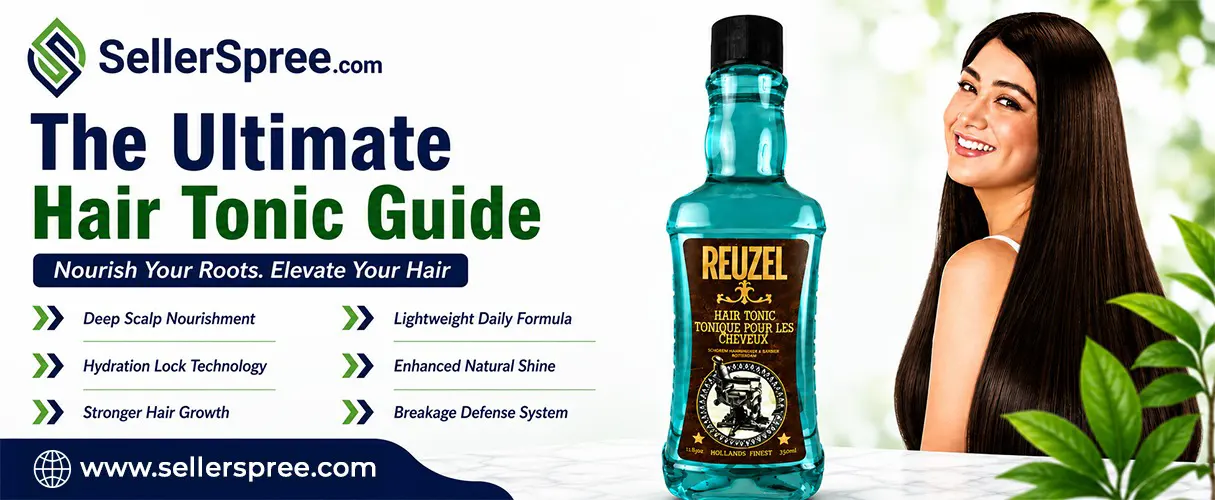
Shop Now: www.sellerspree.com
Hair tonics have been a staple in hair care routines for decades, offering a variety of benefits, from scalp nourishment to styling support. This comprehensive guide will dive into everything you need to know about hair tonics, their uses, and how to incorporate them into your hair care regimen.
What is a Hair Tonic, and Why Should You Use It?
A hair tonic is a liquid hair care solution designed to improve scalp health, make hair more manageable, and promote overall vitality. Once a barbershop favorite, hair tonics are now making a resurgence in modern hair care due to their versatility and benefits.
Hair tonics often contain a mix of essential oils (like tea tree, rosemary, or lavender), herbal extracts (such as aloe vera or ginseng), moisturizers (like glycerin or castor oil), and either an alcohol or water base. Whether oil-based for hydration or water-based for a lightweight finish, hair tonics cater to various hair types and concerns.
Why Hair Tonics are Essential for Scalp and Hair Health
Hair tonics act as a bridge between scalp care and styling, addressing common hair issues while enhancing hair texture and shine. Whether you’re targeting dandruff, dryness, or hair thinning, a well-formulated tonic can rejuvenate your scalp and help achieve your desired look.
Key Ingredients in Hair Tonics and Their Benefits
Hair tonics are enriched with powerful ingredients that work wonders for both scalp and hair. Here’s a breakdown of some key components:
Essential Oils
- Tea Tree Oil: Fights dandruff and soothes irritated scalps with antifungal and antibacterial properties.
- Rosemary Oil: Stimulates hair growth and enhances blood circulation to the scalp.
- Lavender Oil: Calms the scalp, reduces stress, and helps prevent infections.
Herbal Extracts
- Ginseng: Encourages hair growth and strengthens hair follicles.
- Aloe Vera: Hydrates the scalp, repairs damaged skin, and reduces irritation.
Moisturizing Agents
- Glycerin: Locks in moisture, preventing dryness.
- Castor Oil: Strengthens hair and reduces breakage by forming a protective barrier.
Vitamins and Minerals
- Vitamin E: Repairs damage and boosts elasticity.
- Biotin: Strengthens hair and supports keratin production.
- Zinc: Controls dandruff and balances oil production on the scalp.
Proteins
- Keratin: Repairs damaged hair, improving structure and smoothness.
- Collagen: Enhances elasticity and reduces breakage.
Benefits of Hair Tonics for Every Hair Type
Hair tonics are suitable for all hair types—straight, curly, wavy, or coily. Here are some of their key benefits:
- Nourishes and hydrates the scalp.
- Promotes hair growth and reduces hair fall.
- Adds shine and smoothness.
- Prevents split ends and breakage.
- Provides light styling assistance.
- Protects hair from environmental damage.
How to Use Hair Tonics Effectively
To maximize the benefits of hair tonics, follow these steps:
- Start with Clean Hair: Wash your hair with a gentle shampoo and towel-dry until slightly damp.
- Choose the Right Tonic: Select one based on your hair needs (e.g., rosemary for growth, aloe vera for hydration).
- Apply to the Scalp: Use your fingers or a spray bottle to distribute the tonic directly onto your scalp.
- Massage Gently: Use your fingertips to massage the tonic into your scalp for 2–3 minutes to boost absorption and circulation.
- Distribute Through Hair: If applicable, spread the tonic evenly through your strands using a comb.
- Style as Desired: Use the tonic as a pre-styling product or let it absorb fully before continuing your routine.
Best Times to Use Hair Tonics
Incorporate hair tonics into your routine at these optimal times:
- After Washing: Apply to a clean, damp scalp for maximum absorption.
- In the Morning: Refresh and prep your hair for the day.
- Before Bed: Allow the tonic to work overnight for deeper hydration and repair.
- Pre- and Post-Styling: Use as a heat protectant or to smooth flyaways after styling.
DIY Hair Tonic Recipes
Hair Growth Tonic
- Ingredients: 1 cup water, 2 tbsp rosemary leaves, 1 tbsp peppermint leaves, 3–4 drops rosemary oil.
- Instructions: Boil water with rosemary and peppermint leaves. Cool, strain, and add rosemary oil. Apply to your scalp daily.
Hydrating Tonic for Dry Hair
- Ingredients: 1 cup aloe vera juice, 1 tbsp glycerin, 5 drops lavender oil.
- Instructions: Mix ingredients, store in a spray bottle, and apply to dry or damaged hair.
Choosing Between Natural and Commercial Hair Tonics
Natural Tonics
Pros: Eco-friendly, customizable, and free of synthetic additives.
Cons: Shorter shelf life and less predictable results.
Commercial Tonics
Pros: Scientifically formulated, consistent, and highly effective.
Cons: May contain artificial additives and be pricier.
Conclusion
Hair tonics are versatile, effective, and essential for addressing various hair and scalp concerns. Whether you’re creating your own DIY tonic or choosing a trusted brand, adding a hair tonic to your routine can transform your hair care journey. For a wide selection of hair care and hair color products, visit Sellerspree.com and explore products tailored to your unique needs.
Tags: Hair Tonic, Hair Tonics, Benefits Of Hair Tonic, How To Use Hair Tonic, Best Hair Tonic, Hair Tonic For Hair Growth, Scalp Care, Healthy Hair, Hair Care Routine, Hair Growth Products