
 admin
admin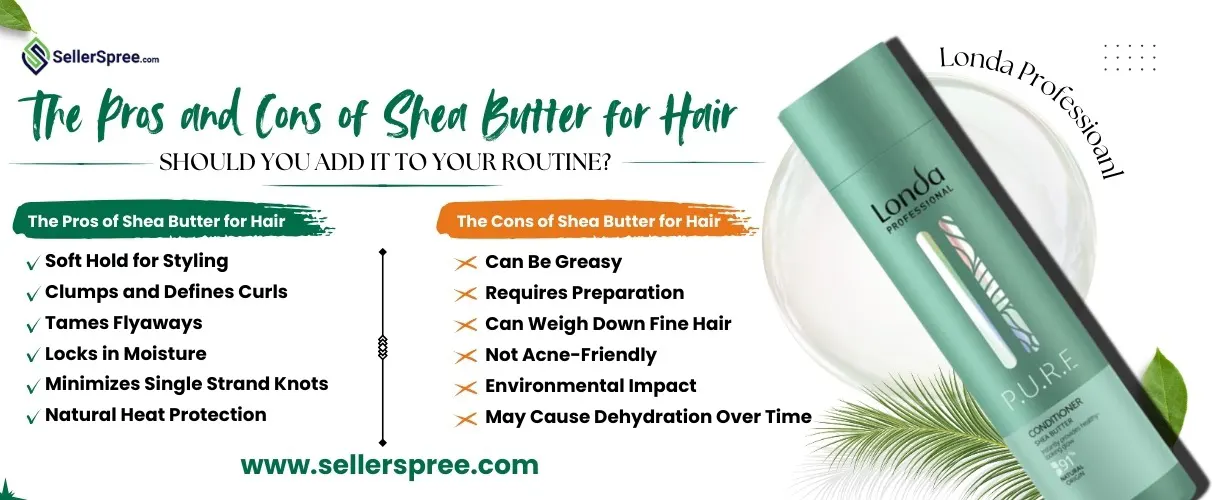
Shop Now: www.sellerspree.com
Shea butter has become a powerhouse ingredient in the hair care industry, praised for its ability to nourish, style, and protect hair of all types. While it has long been a staple in natural hair care, its versatility has made it a go-to for many people seeking healthier and more manageable hair. Whether you’re looking to smooth flyaways, define curls, or retain moisture, shea butter has plenty to offer but it also comes with a few caveats.
Below, we’ll dive into the pros and cons of using shea butter for your hair, as well as how to maximize its benefits while minimizing any drawbacks.
The Pros of Shea Butter for Hair
-
Soft Hold for Styling
Shea butter provides a natural, soft hold that’s perfect for braid-outs, twist-outs, and other low-maintenance styles. Unlike hard-hold gels, it doesn’t leave your hair feeling crunchy or stiff, making it ideal for those who prefer a natural, touchable look.
-
Clumps and Defines Curls
For those with curly or textured hair, shea butter can help clump curls together, reducing frizz and enhancing curl definition. This makes it easier to achieve sleek styles or voluminous looks, depending on your preference.
-
Tames Flyaways
While shea butter isn’t technically an edge control product, it works wonders for smoothing down flyaways and creating polished updos or buns. Tie a silk scarf over your hair after application to achieve a sleek, finished look.
-
Locks in Moisture
One of shea butter’s standout qualities is its ability to seal in moisture. This is particularly helpful for those with dry or damaged hair, as it prevents water from escaping the hair shaft, leaving strands soft and hydrated for days.
-
Minimizes Single Strand Knots
For individuals with natural or curly hair, single-strand knots can be a persistent issue. Using shea butter as part of a braid-out or twist-out routine helps reduce these pesky knots by keeping hair strands smooth and protected.
-
Natural Heat Protection
While it’s not a replacement for a dedicated heat protectant, shea butter provides a natural barrier that can offer mild protection from heat styling tools, making it a versatile addition to your hair care arsenal.
The Cons of Shea Butter for Hair
-
Can Be Greasy
Using too much shea butter can leave your hair feeling greasy and weighed down. A little goes a long way apply sparingly and build up as needed to avoid over-saturating your hair.
-
May Cause Dehydration Over Time
While shea butter is excellent at sealing in moisture, it can also block water from entering the hair shaft if applied heavily. This can lead to dehydrated, brittle hair over time. To counteract this, ensure you use a clarifying shampoo or clay wash regularly to remove buildup.
-
Requires Preparation
Shea butter is solid at room temperature and often needs to be softened in your palms or whipped with other oils before application. While this is manageable, it can add extra time to your routine.
-
Can Weigh Down Fine Hair
If you have fine or low-density hair, shea butter’s heavy texture might weigh your strands down, leaving them limp. Use it sparingly or mix it with lighter oils to avoid this issue.
-
Not Acne-Friendly
Shea butter’s high oleic acid content can be problematic for acne-prone individuals if it comes into contact with the skin. To prevent breakouts, apply it carefully and avoid letting your hair touch your face.
-
Environmental Impact
For those pursuing a zero-waste lifestyle, the packaging of shea butter can be a drawback. Buying in bulk is a good way to minimize waste, but local access to zero-waste options may be limited.
Additional Tips for Using Shea Butter
- DIY Shea Butter Blends: Enhance the effectiveness of shea butter by blending it with oils like argan, jojoba, or coconut. This not only makes it easier to apply but also adds extra nourishment to your hair.
- Layering for Best Results: To maximize moisture retention, apply a water-based leave-in conditioner first, followed by shea butter to seal everything in.
- Pair With Satin or Silk: Protect your hair overnight by using a satin or silk scarf, bonnet, or pillowcase. This helps preserve your style and prevents moisture loss.
Who Should Use Shea Butter?
Shea butter is particularly beneficial for those with curly, coily, or textured hair, as well as individuals dealing with dryness, frizz, or damage. However, it can also be adapted for use on other hair types when used sparingly or blended with lighter products.
Conclusion: Is Shea Butter Right for You?
Shea butter is a versatile, nourishing ingredient that can transform your hair care routine, offering moisture, protection, and style benefits. However, it’s important to use it thoughtfully to avoid issues like buildup, dehydration, or greasiness. Regular cleansing and proper application techniques are key to making the most of this natural wonder.
At Sellerspree.com, we offer a range of high-quality hair care and hair color products that pair perfectly with shea butter to help you achieve your hair goals. Whether you’re looking for lightweight oils, styling creams, or clarifying shampoos, you’ll find everything you need to elevate your hair care regimen. Visit Sellerspree.com today to explore our curated selection and discover the best products for your unique hair needs!
Frequently Asked Questions (FAQ):
1. Is shea butter good for all hair types?
Shea butter works best for curly, coily, thick, or dry hair because of its rich, moisturizing properties. Those with fine or low-density hair should use it sparingly or mix it with lighter oils to avoid heaviness.
2. Does shea butter help hair grow?
Shea butter does not directly stimulate hair growth, but it supports healthy growth by reducing breakage, sealing in moisture, and protecting strands from damage.
3. Can shea butter cause hair buildup?
Yes, overusing shea butter can cause buildup on the scalp and hair shaft. Regular use of a clarifying shampoo helps remove residue and maintain balanced hydration.
4. How often should I use shea butter on my hair?
For dry or textured hair, using shea butter 1–2 times per week is typically enough. Daily use may be too heavy unless applied in very small amounts.
5. Should I apply shea butter to wet or dry hair?
Shea butter works best when applied after a water-based leave-in conditioner on damp hair. It acts as a sealant to lock in moisture rather than hydrate on its own.
6. Is shea butter good for curly hair?
Yes, shea butter helps define curls, reduce frizz, and keep strands moisturized, making it especially beneficial for curly and coily hair types.
7. Can shea butter replace a heat protectant?
Shea butter provides mild heat protection, but it should not fully replace a dedicated heat protectant if you frequently use hot tools.
8. Why does shea butter make my hair feel greasy?
Using too much product or applying it to fine hair can leave a greasy feel. Start with a small amount and distribute evenly to avoid weighing hair down.
9. Can shea butter dry out hair over time?
If applied heavily without proper cleansing, shea butter can block moisture from entering the hair shaft, potentially leading to dryness. Regular washing prevents this issue.
10. Is raw or refined shea butter better for hair?
Raw shea butter retains more natural nutrients, while refined shea butter has a milder scent and smoother texture. Both can be effective depending on personal preference.
Tags: Shea Butter For Hair, Shea Butter Benefits, Shea Butter Side Effects, Natural Hair Care, Curly Hair Tips, Moisture For Dry Hair, Shea Butter Styling, Frizz Control, Curl Definition, Hair Care Routine, Natural Hair Products, Textured Hair Care, Shea Butter For Curls, Hair Moisture Sealant, Clarifying Shampoo For Buildup, Sellerspree Hair Care, Hair Hydration Tips, Braid Out Styling, Twist Out Routine, Heat Protection For Hair