
 admin
admin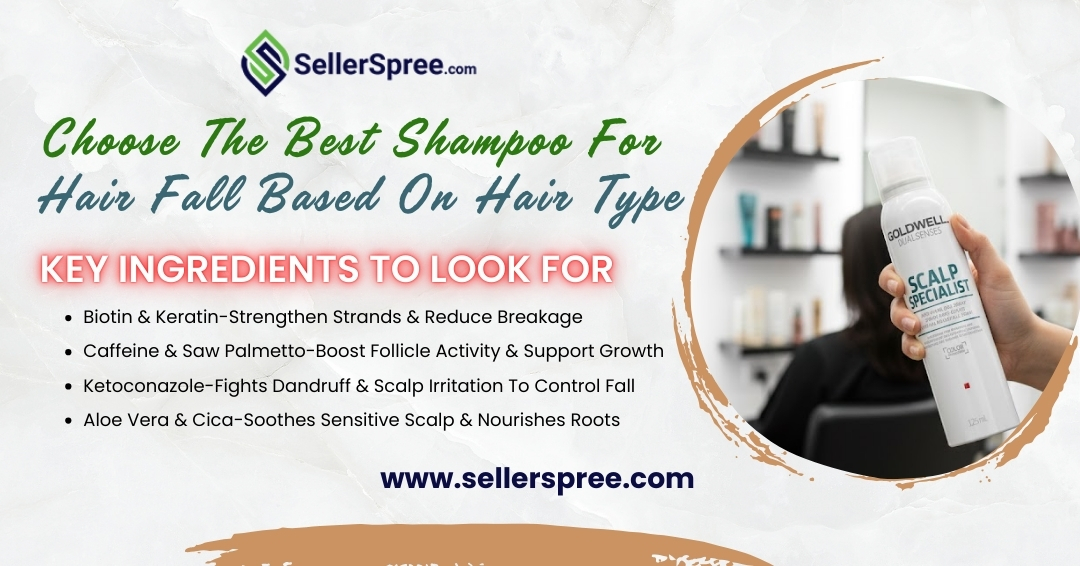
Shop Now: https://www.sellerspree.com
Struggling with hair fall can be frustrating, and finding the right shampoo tailored to your hair type is a critical step in managing it. Hair care has often been overlooked in favor of skincare, but giving your hair the attention it deserves can significantly improve its health. Unlike hair loss, which may require medical intervention due to genetic factors, hair fall is typically caused by lifestyle factors and can often be addressed with proper care. Let’s delve into how to choose the best shampoo for hair fall and optimize your hair care routine.
Understanding Hair Fall:
It’s normal to lose 50-100 strands of hair daily, but excessive shedding can indicate underlying issues. If you notice thinning hair or visible scalp patches, it’s time to take action. Persistent hair fall could signal nutritional deficiencies, stress, or improper hair care routines—all of which can be improved with targeted solutions.
Key Ingredients to Look for in Anti-Hair Fall Shampoos:
Certain ingredients are known to strengthen hair and reduce shedding:
- Biotin and Keratin: These proteins reinforce hair strands and minimize breakage.
- Caffeine and Saw Palmetto: Stimulate hair follicles and promote growth.
- Ketoconazole: Helps combat dandruff and reduce hair fall associated with scalp irritation.
- Aloe Vera and Cica: Provide soothing relief for sensitive scalps.
Equally important is avoiding harsh chemicals like sulfates, parabens, and silicones, which can strip the scalp of its natural oils and weaken hair over time.
Choosing the Best Shampoo for Your Hair Type:
-
For Dry Scalp and Frizzy Hair:
- Dry scalp often leads to flaking and itchiness, which can exacerbate hair fall. Opt for shampoos enriched with moisturizing ingredients like argan oil, shea butter, coconut oil, and vitamin E.
- Anti-frizz shampoos can help detangle your hair and prevent breakage. Look for creamy, nourishing formulations that hydrate while being gentle on your scalp.
-
For Oily Scalp and Limp Hair:
- An oily scalp can cause buildup, blocking hair follicles and reducing hair growth. Ingredients like tea tree oil and salicylic acid are excellent for controlling excess sebum and clarifying the scalp.
- Lightweight, gel-based shampoos work best to cleanse without over-drying, ensuring your hair retains volume and bounce.
-
For Sensitive Scalp:
- A sensitive scalp requires gentle care with hypoallergenic, sulfate-free shampoos. Look for soothing ingredients such as aloe vera and chamomile.
- Dermatologist-recommended options like Goldwell DualSenses Scalp Specialist Anti-Hairloss Spray to prevent excessive hair loss. It is ideal for mature hair, which slowly gets lighter. The patented formula with t-flavanones targets the scalp to restore strength with continued use.
- Roots Salon Professional D-Stress Sudden Hair Fall Support
- This is a topical product designed for use by people with stressful conditions that have led to or may lead to hair loss. D-Stress contains ingredients proven to regrow hair and prevent hair loss. It’s for use by anyone experiencing sudden hair loss or looking to prevent them.
Additional Tips to Prevent Hair Fall:
In addition to using the right shampoo, adopting a holistic approach to hair care can make a significant difference:
Nutrient-Rich Diet:
Include biotin, iron, zinc, and omega-3 fatty acids in your meals. Foods like salmon, spinach, eggs, sweet potatoes, nuts, and seeds nourish hair from within.
Simplify Your Routine:
Explore natural remedies like herbal shampoos containing ingredients such as amla, bhringraj, neem, and rosemary, which are known for their hair-strengthening properties.
Handle Hair Gently:
Avoid combing wet hair to reduce breakage. Instead, detangle with a wide-toothed comb before washing and use microfiber towels to gently dry your hair.
Limit Heat Styling:
Excessive use of flat irons, curling wands, and blow dryers can weaken hair shafts. Use heat protection sprays and switch to cold air settings whenever possible.
Regular Trims:
Trimming every 6-8 weeks helps prevent split ends from traveling up the hair shaft, reducing overall breakage.
Avoid Tight Hairstyles:
Styles like tight ponytails and braids can stress the hair and lead to traction alopecia. Opt for loose, comfortable hairstyles instead.
Conclusion
Choosing the right shampoo for hair fall depends on understanding your hair type and its unique needs. Combine this with a balanced diet, gentle handling, and minimal heat exposure for the best results. When in doubt, consult with a dermatologist to address any persistent issues.
For high-quality hair care and hair color products from trusted brands, visit Sellerspree.com. Explore a wide range of options tailored to your hair needs and start your journey toward healthier, stronger hair today!
Frequently Asked Questions:
Q1. How do I know if I’m experiencing normal hair fall or excessive hair fall?
Normal hair fall ranges between 50–100 strands per day. If you notice visible thinning, widening scalp, or increased shedding during combing or washing, it may indicate excessive hair fall that requires attention.
Q2. Can the right shampoo really reduce hair fall?
Yes. The right shampoo can strengthen roots, reduce breakage, improve scalp health, and control shedding caused by dryness, buildup, or irritation. However, genetic hair loss requires medical treatment.
Q3. Which key ingredients help reduce hair fall?
Look for ingredients like biotin, keratin, caffeine, saw palmetto, ketoconazole, aloe vera, and cica. These help strengthen strands, improve scalp circulation, and reduce shedding.
Q4. What ingredients should I avoid in shampoos if I have hair fall?
Avoid shampoos with sulfates, parabens, silicones, alcohols, and heavy fragrances, as they can strip natural oils, irritate the scalp, and increase breakage.
Q5. Which shampoo is best for dry scalp and frizzy hair with hair fall?
Choose moisturizing shampoos containing argan oil, shea butter, coconut oil, glycerin, or vitamin E. These hydrate the scalp, smooth frizz, and prevent breakage.
Q6. Which shampoo works best for oily scalp and limp hair?
Lightweight clarifying shampoos with tea tree oil, salicylic acid, clay, or green tea extract help remove excess oil, unclog follicles, and restore bounce.
Q7. What is the best option for sensitive scalp with hair fall issues?
Use sulfate-free, hypoallergenic shampoos with aloe vera, chamomile, and cica. For added support, products like Goldwell DualSenses Anti-Hairloss Spray and Roots Salon Professional D-Stress help reduce sudden or stress-related hair fall.
Q8. Can stress or poor nutrition cause hair fall even with a good shampoo?
Yes. Stress, vitamin deficiencies, lack of sleep, and hormonal imbalance can cause or worsen hair fall. A balanced diet, stress management, and proper care are essential along with the right shampoo.
Q9. Is it okay to wash my hair daily if I have hair fall?
Daily washing is not recommended. Washing 2–3 times a week is ideal for most hair types. Oily scalps may need more frequent washing, but always with a gentle, non-drying shampoo.
Q10. When should I consult a dermatologist for hair fall?
Seek professional help if hair fall continues for more than 2–3 months, if you notice bald patches, severe itching, inflammation, or sudden excessive shedding.
Tags: Hair Fall Shampoo, Best Shampoo For Hair Fall, Anti Hair Fall Shampoo, Shampoo For Dry Scalp, Shampoo For Oily Scalp, Shampoo For Sensitive Scalp, Biotin Shampoo, Keratin Shampoo, Caffeine Shampoo, Ketoconazole Shampoo, Sulfate Free Shampoo, Paraben Free Shampoo, Shampoo For Frizzy Hair, Shampoo For Dandruff And Hair Fall, Scalp Care Shampoo, Hair Strengthening Shampoo, Hair Growth Shampoo, Natural Hair Fall Remedies, Herbal Hair Fall Shampoo, Hair Fall Control Tips, Hair Fall Solution, Shampoo For Damaged Hair, Moisturizing Shampoo, Clarifying Shampoo, Hypoallergenic Shampoo, Scalp Irritation Relief, Stress Related Hair Fall, Hair Fall Products, Hair Care Routine